Who Is the Best Concrete Supplier in Kansas City? 7 Things to Compare
If you’re searching for the best concrete supplier in Kansas City, the answer depends on more than just price per cubic yard. The best supplier offers reliable scheduling, consistent mix quality, on-site flexibility, proper licensing and insurance, and transparent pricing. Whether you’re managing an industrial build, commercial slab, or residential project, comparing the right factors ensures you choose a supplier that protects your timeline and budget.
Here are the 7 most important things to compare before making your decision.
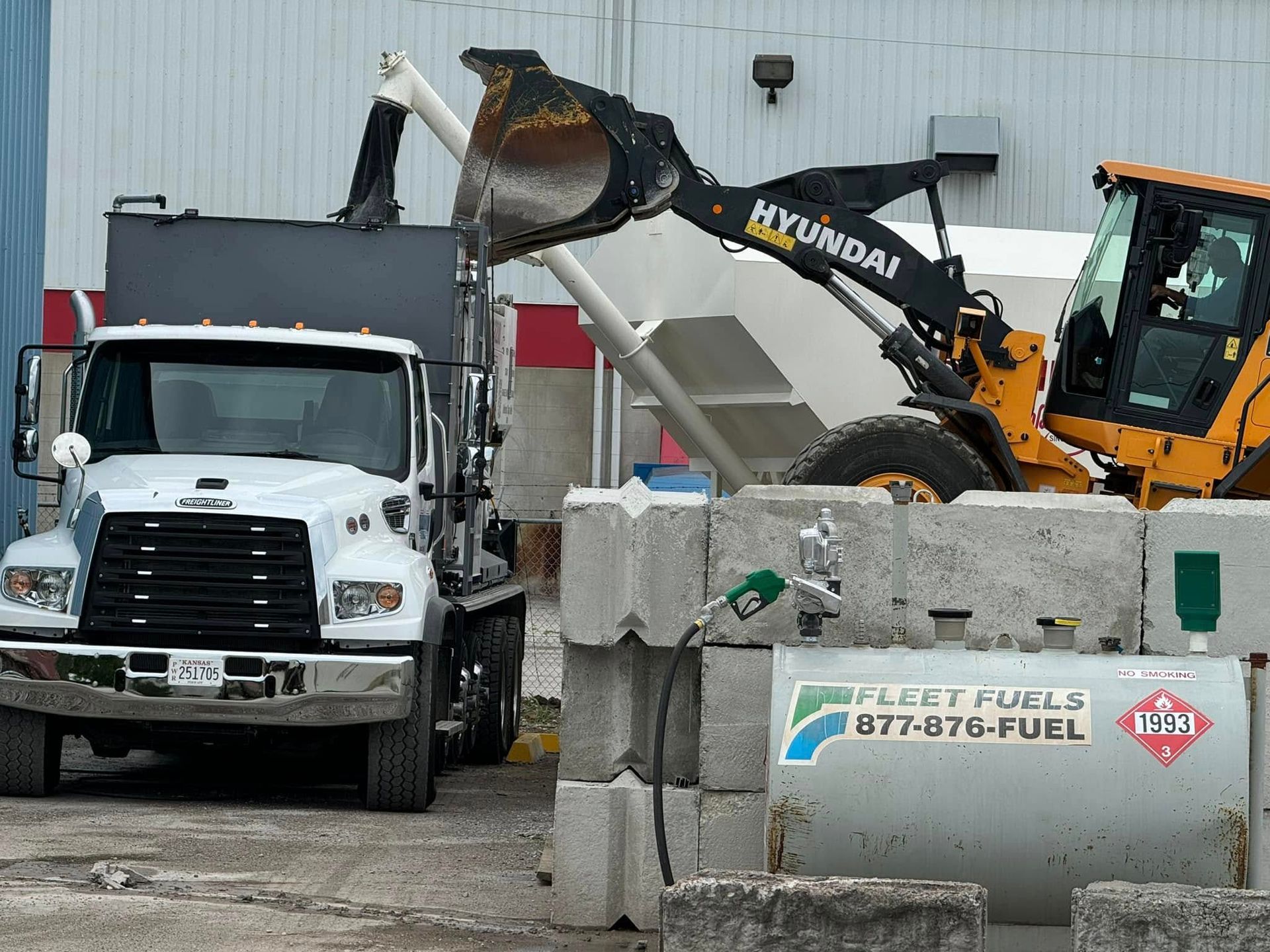
1. Do They Offer On-Site Concrete Mixing?
One of the biggest differences between suppliers is delivery method.
Traditional batch plants mix concrete off-site and transport it to your location. During transit, hydration begins immediately. Traffic delays and weather conditions can affect consistency.
On-site mixing allows:
- Fresh concrete produced at your job site
- Real-time slump adjustments
- Exact yardage control
- Reduced waste
- Better scheduling flexibility
For Kansas City contractors working on tight timelines, this can be a major advantage.
2. Are They Licensed and Insured?
The best concrete supplier is fully licensed and insured.
This protects you from:
- Liability claims
- Property damage
- On-site accidents
- Project shutdowns
Concrete projects involve heavy equipment and large financial investments. Always verify insurance documentation before scheduling a pour.
3. Do They Have Commercial & Industrial Experience?
Large-scale projects require more than basic residential knowledge.
Look for suppliers experienced with:
- Warehouse slabs
- Manufacturing facilities
- Distribution centers
- Retail developments
- Multi-family construction
Industrial pours often require higher PSI strengths and extended scheduling flexibility.
According to the American Concrete Institute, proper mix design and placement procedures directly affect long-term structural durability.
4. How Transparent Is Their Pricing?
The best supplier provides clear, written estimates outlining:
- Cost per cubic yard
- PSI strength
- Additives
- Delivery fees
- Minimum load requirements
Hidden costs to watch for include:
- Short-load penalties
- Returned concrete fees
- Overordering waste
Suppliers offering on-site mixing often reduce waste-related expenses because you only pay for what you use.
5. Can They Handle Kansas City Weather Conditions?
Kansas City experiences:
- Hot, humid summers
- Freezing winter temperatures
- Rapid seasonal shifts
Temperature affects curing time, workability, and strength.
The Portland Cement Association emphasizes the importance of proper placement procedures in varying temperatures.
The best suppliers adjust mix design in real time to accommodate weather conditions.
6. How Flexible Is Their Scheduling?
Construction rarely runs exactly as planned.
Look for a supplier that offers:
- Reliable weekday scheduling
- Extended hours when needed
- Weekend availability if required
- Ability to adjust pour timing
Flexible scheduling reduces downtime and protects labor budgets.
7. What Is Their Local Reputation?
The best concrete supplier in Kansas City should have:
- Verified local presence
- Positive customer reviews
- A physical business location
- Clear communication
Check:
- Google reviews
- Project examples
- Commercial references
Reliable suppliers build long-term relationships with contractors and developers.
Red Flags to Avoid
When comparing suppliers, be cautious if you notice:
- Unclear pricing
- No proof of insurance
- No written estimate
- Poor communication
- Inconsistent availability
- No experience with larger projects
Concrete is permanent — mistakes are expensive to fix.
Residential vs. Commercial Considerations
Residential Projects
Homeowners should prioritize:
- Exact yardage control
- Transparent pricing
- Proper PSI recommendations
- Clean job site practices
On-site mixing often prevents short-load fees common with small residential pours.
Commercial & Industrial Projects
Contractors should prioritize:
- High-volume capability
- Strength consistency
- Extended scheduling flexibility
- Experience with large slabs
- Reduced waste costs
For large projects, even small inefficiencies can become expensive.
Why “Best” Means Different Things for Different Projects
The best supplier for a small patio may not be the best choice for a 100,000-square-foot warehouse slab.
When evaluating suppliers, consider:
- Project size
- Strength requirements
- Scheduling demands
- Budget constraints
- Weather timing
Matching supplier capability to project complexity is key.
Frequently Asked Questions
Who is considered the best concrete supplier in Kansas City?
The best supplier offers licensing, insurance, on-site mixing, transparent pricing, and strong local experience.
Is cheaper concrete always better?
No. Lower pricing may come with hidden fees, waste costs, or quality inconsistencies.
Why does on-site mixing matter?
It improves freshness, allows real-time adjustments, and reduces overordering waste.
Should I prioritize experience or cost?
Experience often reduces risk, which can save far more than small pricing differences.
How do I request a quote?
Provide project details including size, PSI requirements, and timeline for an accurate estimate.
Make an Informed Choice for Your Kansas City Project
Choosing the best concrete supplier in Kansas City requires more than comparing per-yard pricing.
Focus on:
- On-site mixing capability
- Licensing and insurance
- Industrial and commercial experience
- Transparent estimates
- Flexible scheduling
- Local reputation
Concrete is the foundation of your project — literally.
Call +1 (816) 432-3200 to request a free estimate and compare your options before your next pour.
Choosing wisely today prevents costly problems tomorrow.